

Factories do not all run the same way. Some need slim parts with tight edges, while others look for thicker surfaces that survive heat, pressure, or long travel hours. That is why custom engineering keeps gaining attention in production spaces. A fixed design often creates waste, delays, or weak-fitting parts. Tailored planning solves those issues early. Teams now focus more on structure, finish quality, and easy assembly before production even begins. Small adjustments during development can completely change how a product performs once it enters active industrial use or large distribution cycles.
Engineered Forming Techniques for Reliable Performance
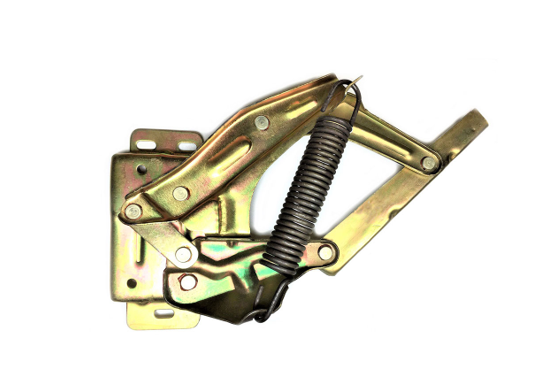
Careful forming methods help manufacturers avoid surface damage and uneven shapes during production. When parts are designed with exact pressure control and balanced force, the final output stays more stable over time. This matters a lot in industries where repeated use causes wear. Modern workshops also test edge depth, bend angles, and surface texture before approving full-scale runs. The use of Stamped Metal components has grown because these parts can support both lightweight structures and heavy-duty systems without adding unnecessary bulk or difficult maintenance concerns later in operation.
Clear Surface Planning for Functional Product Builds
Transparent materials require a very different engineering approach compared to solid industrial materials. Even small flaws become visible quickly, which means cutting, shaping, and finishing must stay highly controlled throughout the process. Teams often spend extra time studying light reflection, corner smoothness, and thickness balance before moving into larger production phases. Smart layout planning also reduces cracking risks during transport or installation. The demand for Glass (TBD) products keeps rising because industries now want cleaner appearances mixed with practical strength that works well in commercial and industrial environments alike.
Adaptive Engineering Choices for Changing Production Goals
Manufacturing needs rarely stay fixed for long periods. A company may begin with simple product requirements, then suddenly need faster assembly or stronger structural support. Flexible engineering helps production systems adapt without forcing a complete restart. Designers now create models that allow easier modifications during later stages, saving both time and resources. Material compatibility testing also plays a big role here because poorly matched components can slow output and raise repair costs. Careful planning at the beginning usually prevents larger operational problems once products move into active daily use.
Future-Focused Designs Built Around Efficiency
Production industries continue searching for ways to lower waste while improving performance. Engineering teams are responding with cleaner forming methods, tighter measurements, and smarter material handling systems. Instead of chasing oversized production targets, many businesses now focus on long-lasting quality and smoother workflows. That shift has changed how products are designed from the very start. Engineers study movement, pressure, visibility, and durability together rather than separately. The result feels more balanced. Products last longer, assembly becomes easier, and production environments stay more organized without adding unnecessary complexity to the process.
Conclusion
Custom engineering has become a practical solution for industries that want reliable performance without sacrificing flexibility. Better planning leads to stronger structures, cleaner finishes, and smoother production cycles across many manufacturing environments. Careful shaping methods and material-focused designs continue helping factories improve efficiency while reducing avoidable errors. As industrial demands shift over time, tailored engineering strategies will remain important for building products that perform consistently, adapt easily, and support long-term manufacturing goals with greater confidence and stability every single day.