

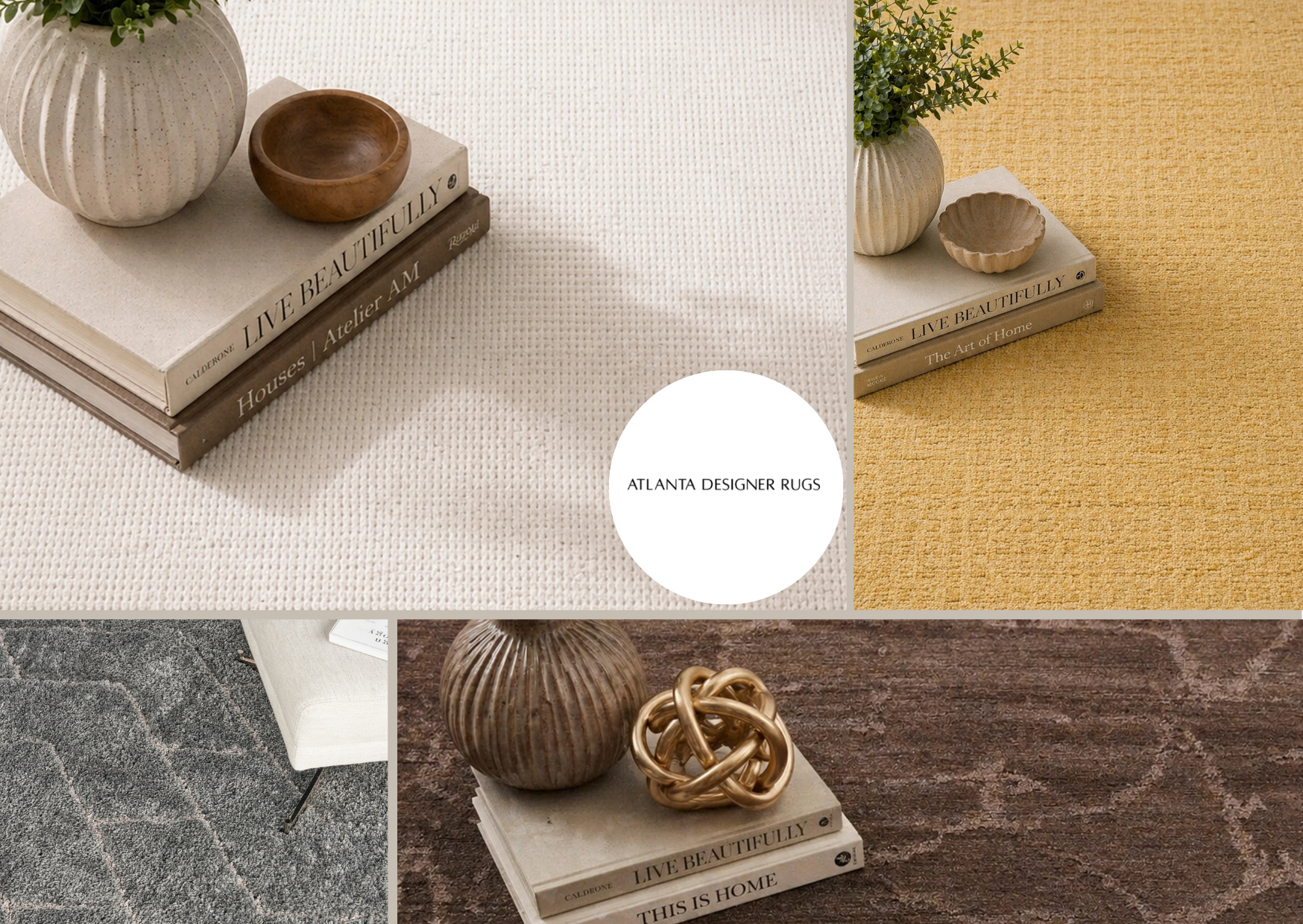
Start with the room’s purpose and traffic
Choosing the right designer rug begins with how the room is used, not just how it looks. For a living room where people sit, walk, and move furniture, you’ll want a rug size and pile height that stays comfortable and doesn’t snag easily. For amber lewis rugs a dining area, prioritize a stable foundation that can handle chairs being pulled in and out without shifting. When you match the material and construction to the room’s daily rhythm, the rug’s style remains effortless for years.
If you’re drawn to amber-inspired design, treat it like a focal point for the entire palette. Amber tones often create warmth, so it’s helpful to anchor the surrounding colors with neutrals like cream, taupe, or warm gray. If your space already includes bold wall art or statement furniture, choose a rug with a pattern that complements the existing design language rather than competing with it. This is especially important when you’re coordinating with upholstery, curtains, and hard surfaces like wood or tile.
Choose construction details that match your lifestyle
When you’re shopping for designer rugs with a distinctive look, construction quality directly impacts how the rug performs. Look for tight pattern definition and consistent coloring, since these signals usually mean better dye saturation and more even wear over time. For washable area rugs homes with pets or frequent entertaining, consider options marketed for easy maintenance, including resilient fibers and cleaner-friendly surfaces. This kind of smart selection helps keep the rug looking curated instead of becoming visibly worn.
Pay attention to what’s underfoot as well. If your floors are hard, a rug with comfortable cushioning can reduce fatigue and make the room feel more inviting. If the rug will sit in front of a sofa or bed, measure the walking zones so the pattern doesn’t end abruptly where people step. Many homeowners also benefit from selecting a washable approach when spills are likely, because it reduces stress and makes upkeep realistic rather than occasional.
Expert color and pattern pairing for a polished look
Amber-inspired rugs can feel sophisticated when paired with balanced contrast. Try styling a warm amber patterned rug with cool accents like deep navy, charcoal, or slate to prevent the room from feeling too monochrome. If you prefer a softer look, combine amber with earthy companions such as terracotta, olive, and natural wood finishes. The goal is to create cohesion, where the rug pattern acts like an artistic bridge between your textiles and your décor.
Pattern scale is another expert-level detail that changes how the rug “reads” in the room. Large motifs can anchor an open layout, especially when the seating area is spacious and the rug has room to breathe. Medium or smaller patterns often work beautifully in cozy spaces, where they add texture without overwhelming the visual field. If your furniture has already got strong lines, choose a rug pattern that complements rather than clashes—consider whether your room is mostly geometric, organic, or transitional in style.
Conclusion
For the best outcome, approach your purchase like a designer would: match the rug to how the room functions, select durable construction, and pair color and pattern intentionally. When you’re considering amber-themed designs and want practicality built in, opting for a washable strategy can keep the look fresh even with everyday life. The right choice can turn an accent piece into a true foundation for your décor, tying together walls, furniture, and lighting. To make the process easier, Atlanta Designer Rugs helps homeowners find well-chosen rugs in a variety of sizes and colors that fit real living spaces. Their selection supports a confident decision-making process, especially when you’re aiming for a refined designer vibe. If you want help narrowing down options that suit your style and maintenance needs, visit atlantadesignerrugs.com and explore curated picks designed to elevate your home.