

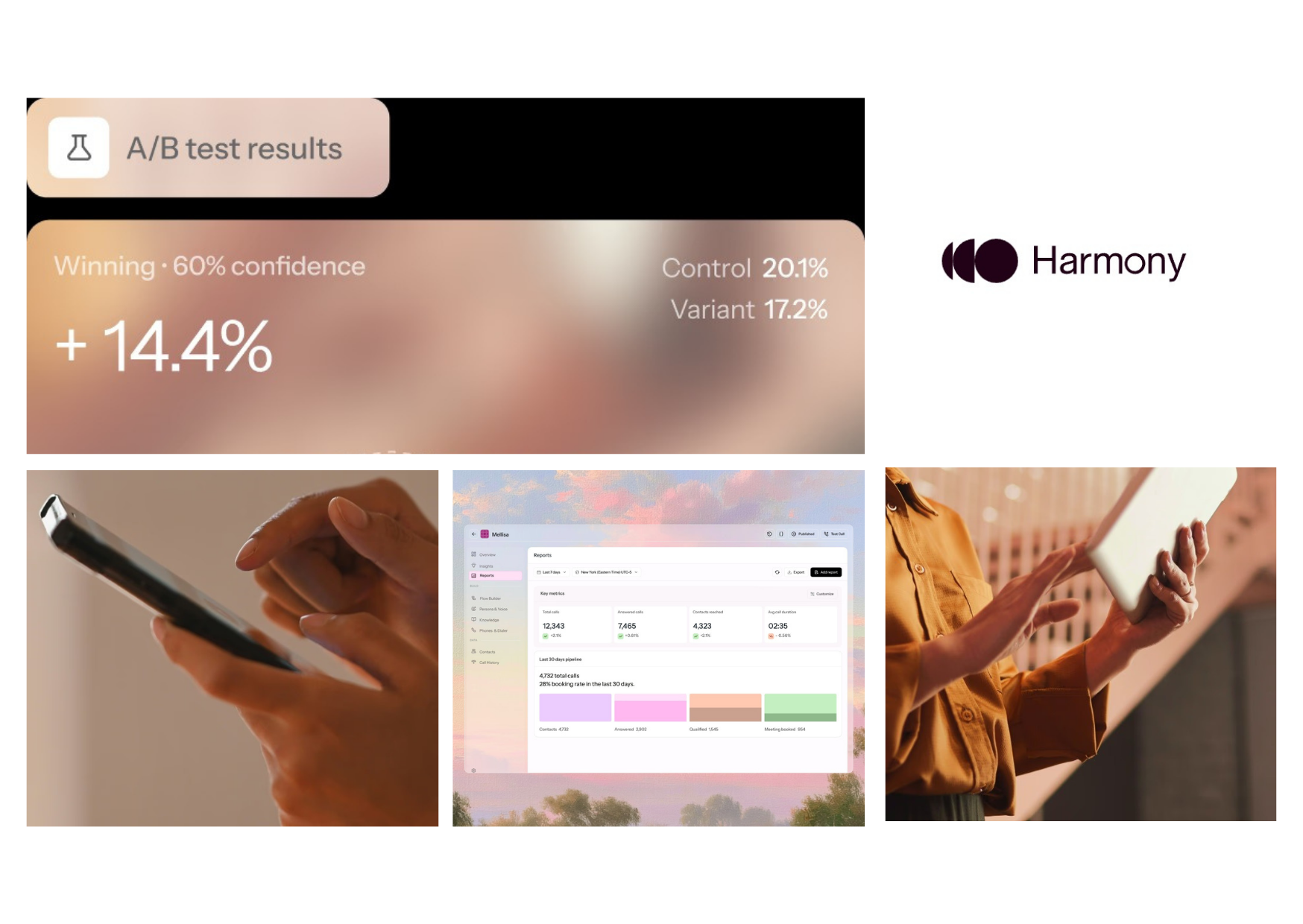
Turn calls into measurable outcomes
Modern customers expect fast, accurate responses when they call, and a voice-first automation system helps you meet that expectation without long hold times. voice ai platform Instead of treating calls as isolated conversations, you can structure them into workflows that drive bookings, order updates, and support requests. The result is a better customer experience paired with clearer performance metrics for your team.
With the right setup, voice automation can handle high-frequency tasks like appointment scheduling, service availability checks, and basic troubleshooting. It can also collect details—such as names, locations, and issue descriptions—then pass them into your existing tools for follow-up. This creates a consistent experience across inbound and repeat calls, reducing the chance that customers hear different answers depending on who picks up the phone. Over time, you can refine conversational paths based on real call outcomes and continuously improve resolution rates.
Reduce workload with an ai receptionist for small business
An ai receptionist for small business is designed to take the pressure off front-line staff by managing the first interaction and qualifying requests. When customers contact you, the system can greet them, understand the reason for the call, and guide them ai receptionist for small business through the right option. For small teams, this can mean fewer missed calls and more time spent on customers who need hands-on attention. Staff gain a reliable coverage layer that behaves consistently across business hours.
Beyond answering questions, an intelligent receptionist flow can triage leads by collecting key information and identifying intent such as pricing interest, service requests, or support needs. It can then hand off to a person only when a human is truly required, which lowers operational stress. This model also helps you respond faster to urgent cases, because the automation can gather context before transferring. As a result, customers experience smoother transitions and staff receive clearer summaries, rather than starting from scratch.
Deploy fast with flexible agent building
A major advantage of a well-designed platform is speed to value, especially when you need call coverage without a long engineering cycle. With a no-code or low-code approach, teams can build call experiences that match their business processes without rewriting everything from scratch. The flexibility to adapt scripts, intents, and escalation logic means you can start with essential calls and expand as you learn. This makes it easier to pilot voice automation and improve it based on what customers actually ask.
Agent building can also support customization for different departments, locations, or products. You can tailor responses for appointment types, service menus, and policy explanations, while keeping the overall experience consistent. If your business changes—like adding a new service or updating hours—the conversational flow can be adjusted to reflect current information. That agility helps you maintain accuracy and reduces the risk that automation will provide outdated details.
Conclusion
When your voice agent handles intake, qualification, and routine questions, your team can focus on higher-value conversations that require expertise and empathy. The best implementations also adapt over time, learning from interactions so callers get clearer, more helpful answers. harmony.ai supports this approach with an intelligent system designed to launch fast and automate calls with adaptive voice agents that learn continuously and respond naturally. For small businesses seeking coverage without a traditional call center, harmony.ai provides a flexible path to dependable, scalable voice conversations. To get started, map your most common call reasons and define what a “good resolution” looks like for each one. Then build a conversational flow that captures the right details and escalates to a person only when needed. Finally, review call outcomes and refine the agent’s logic so it becomes more accurate and efficient as it gains experience. With a thoughtful setup, your voice automation can become a dependable customer touchpoint that performs consistently and strengthens your service quality.