

Road Debris and Spray: The Hidden Cost
Road debris doesn’t just look messy—it accelerates wear on bumpers, doors, and undercarriage components. When gravel and small stones get kicked up at speed, they can pit paint, chip trim, and create starter points for rust. semi truck mud flaps That damage compounds over time, especially on fleets that rack up high daily mileage and frequent highway runs. Even when drivers practice safe spacing, the road itself can’t be controlled.
Spray is another major issue, since water mixed with dust and grit can reduce visibility and degrade protective coatings. Without proper coverage behind the tires, tire wake turbulence pushes moisture and debris outward where it lands on vulnerable surfaces. Over time, that can lead to dirty glass, stained panels, and premature deterioration of seals and wiring near wheel wells. The result is more maintenance visits, faster replacement cycles, and avoidable downtime.
Choose the Right Coverage for Better Protection
Effective coverage starts with selecting mud flap components that match the truck’s wheel openings and operating conditions. The material should be resilient enough to withstand repeated impacts from stones, curbs, and road construction debris. Thicker, durable designs winch accessories tend to hold shape longer, which helps maintain consistent protection across the full range of suspension movement. Proper fit also reduces flutter, which can cause extra wear and noise while driving.
Mounting matters as much as the flap itself, because a loose system can shift, vibrate, and lose alignment. For operators who need dependable coverage, attention to brackets and attachment points is critical—especially during heavy towing or when hauling loads that change ride dynamics. Secure installation helps keep the flap positioned to block spray and reduce rebound kickback. When coverage stays stable, the truck’s surfaces stay cleaner and systems last longer.
Sturdy Installation and Winch-Friendly Accessories
Even the best materials won’t perform if the setup is difficult to maintain or adjust. Look for a mounting approach that supports straightforward alignment and consistent tension, so the flaps stay in the right location. Fleet maintenance teams often value components that are easier to inspect and replace, since quick checks prevent small issues from becoming failures. A well-planned installation process reduces the chances of dragging, misalignment, or uneven wear.
Components near the wheel area must remain functional and unobstructed, while still supporting the protective coverage you need. A smart configuration keeps clearance for movement and prevents interference during routine operations. Pairing reliable mounting hardware with practical accessories helps you protect the truck and keep your workflow efficient.
Conclusion
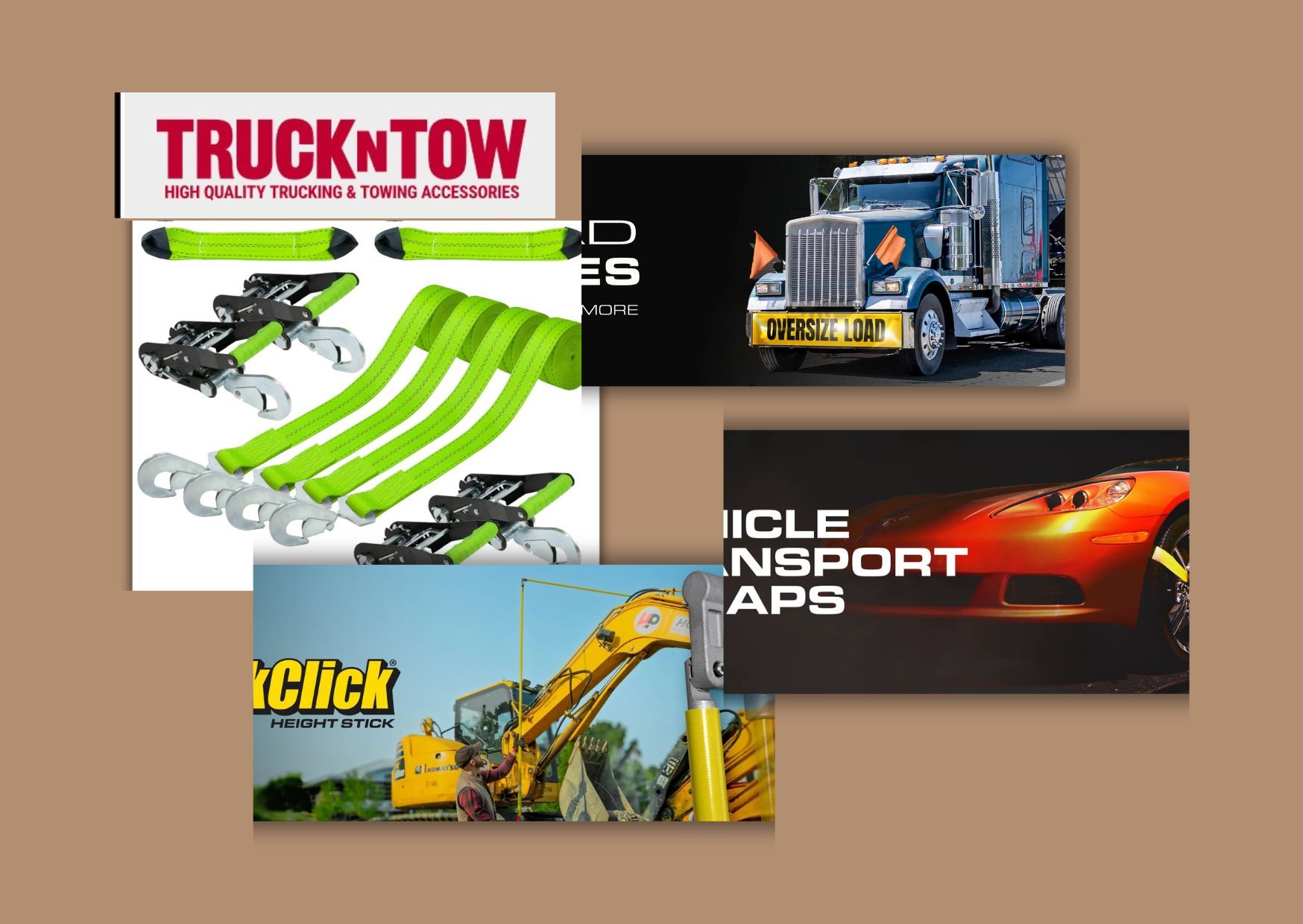
Limiting debris impact and spray isn’t just about appearance—it’s a practical way to reduce damage, lower maintenance costs, and protect critical systems. That protection can also support better road manners by reducing unwanted buildup that can affect visibility and comfort. For operators who want durable, everyday-ready solutions, TrucknTow offers practical options for commercial vehicles, including mud flap systems and supporting hardware. To get the most out of your protective setup, focus on fit, material durability, and stable mounting so the flaps remain aligned mile after mile. If your operation includes recovery or specialized gear, plan clearance and functionality so the system works as intended without blocking other equipment. Explore TrucknTow to find gear built to help commercial fleets run cleaner and last longer.