
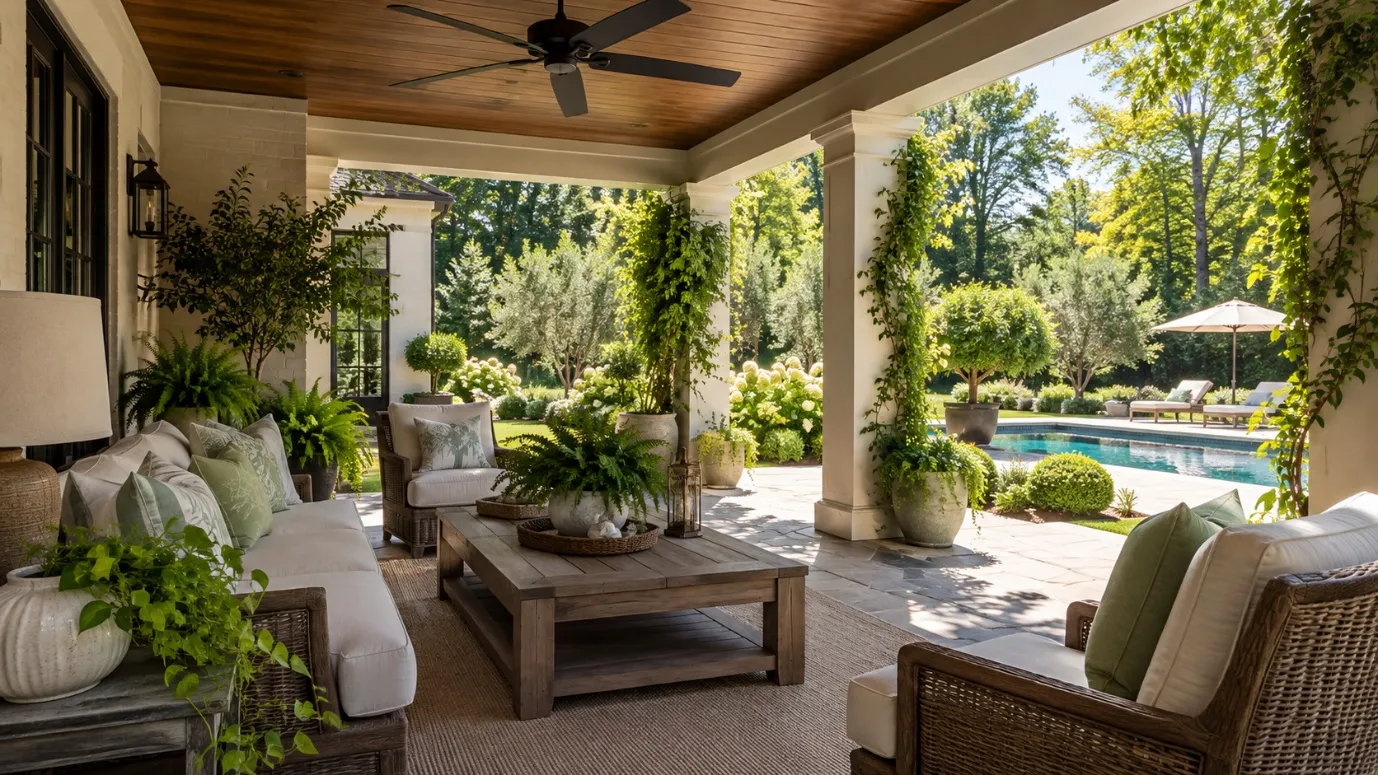
Plenty of backyards have furniture but nowhere comfortable to sit between noon and six. A roof overhead changes that, yet a poorly placed one can trap heat just as easily as it blocks sun. People who start looking for a Pergola Builder Covington GA often assume shade is a matter of picking a style.
It is closer to a puzzle about angles, wind, and use. Getting those three right produces a space people choose over the air-conditioned living room, and getting them wrong leaves expensive posts standing in a spot nobody enjoys.
Measure the Afternoon
Morning sun feels pleasant, while three o’clock sun does not. Stand in the planned spot at different hours, even for ten minutes each, and note where light lands on the table, the chairs, and the back wall of the house.
Western exposure is the usual trouble. Slats or beams running north to south will block low sun differently than ones running east to west, so orientation deserves a real decision. A simple sun-path app on a phone can confirm what the eye suspects.
Pick the Ground Before the Roof
A shade structure is only as comfortable as the surface beneath it. Bare grass turns muddy and uneven under furniture, so choosing a Patio Builder Covington GA early lets the footprint and the floor be designed together.
Slope matters as well, even a gentle one. Water should drain away from the house and from the posts, which means the grade is settled before any lumber arrives.
Open Sides Beat Solid Roofs
Heat rises, and a covered area without airflow behaves like an oven with a ceiling. Open sides allow breezes to pass through and carry warm air off.
A roof of widely spaced rafters filters light rather than blocking it entirely. Many owners prefer that dappled effect, because the area feels bright without glaring. Spacing can be adjusted later by adding or removing a rafter, so the design is not locked in.
Decide How It Meets the House
A structure attached to the wall gains stability but also creates a place where water can enter. Flashing at that joint has to be done carefully, or rain will find the gap.
A freestanding frame avoids that risk and can sit wherever the sun dictates. It needs a few more posts in exchange, which is a fair trade in many yards. Ask which approach suits the house siding and roofline.
Posts Need Real Footings
Overhead structures catch wind like sails. Posts anchored carelessly can loosen over a few seasons, especially in soft or wet soil.
Ask how deep the footings go and how posts attach to them. Wood that touches soil directly rots sooner than wood held clear of it by a proper base, and metal brackets rated for outdoor use hold up far longer than bare steel.
Let Plants Do Part of the Work
A climbing vine along one side cools the air as leaves release moisture. Deciduous varieties shade in summer and let winter light through once they drop.
Choose plants that will not damage the wood or clog the structure. Some vines grip tightly and trap dampness against surfaces, so trellis wires often work better than direct contact. Pruning once a year keeps growth from taking over the frame.
Plan the Evening Hours
Summer evenings are when these spaces earn their keep. Low-glare lighting near steps and along the edge lets people stay outside after sunset without squinting at a bulb.
Think about outlets for fans or string lights before finishing the posts. Running power afterward is possible, but rarely tidy, and exposed cable looks worse each season.
Leave Room to Move
Sketch table, chairs, and a walkway at actual size using tape or rope on the lawn. Many layouts feel generous on paper and cramped once a grill and six guests appear.
A comfortable gap behind each chair keeps traffic flowing, and it lets someone carry a tray past seated guests without turning sideways. Extra width costs little at the planning stage and a great deal later.
Conclusion
A good shade structure is designed around sun, breeze, and daily habits instead of a photograph. Measure first, choose the floor carefully, and build the supports to last.
Anyone ready to explore options for a backyard retreat can look through the services at abclabors.com and bring along a rough sketch.