

Start with lifestyle needs and room function
When you’re choosing statement flooring for a living area, it helps to begin with how the space is actually used. If the room sees heavy foot traffic or frequent lounging, prioritize tighter weaves and designs that visually hide everyday loloi area rugs wear. For families and entertainers, selecting a rug with a balanced pattern scale can reduce the appearance of footprints and shifting furniture marks. This approach ensures your investment stays attractive through real-life use.
Next, match the rug layout to your seating configuration before you compare colors or motifs. A good rule is to keep the front legs of sofas and chairs on the rug, which visually anchors the arrangement and improves overall proportion. If your dining space extends into the same open plan, consider how far the rug will reach beyond the table edges so chairs can slide without catching. Planning the dimensions and placement early makes it much easier to choose the right style and texture later.
Choose materials wisely for comfort and longevity
Not all rugs feel the same underfoot, and material choice is one of the biggest drivers of comfort. Wool area rugs are widely recommended because they naturally resist dirt and hold color well, which can be a major benefit for spaces with lots of sunlight. wool area rugs Wool also tends to provide a plush, forgiving feel, so it’s ideal for living rooms where you want a warm, inviting surface. When you want a premium look without sacrificing day-to-day practicality, wool is often the clear winner.
At the same time, evaluate pile height and density based on your lifestyle. Shorter, denser constructions can be easier to vacuum and may work better in busy households, while longer textures can add a dramatic, artistic dimension. If you love decorative patterns, consider how texture interacts with the design so the rug doesn’t look flat from a distance. A tactile rug can make even a simple sofa and wall color feel more curated, especially in rooms where you want visual depth.
Use color and pattern to shape the room
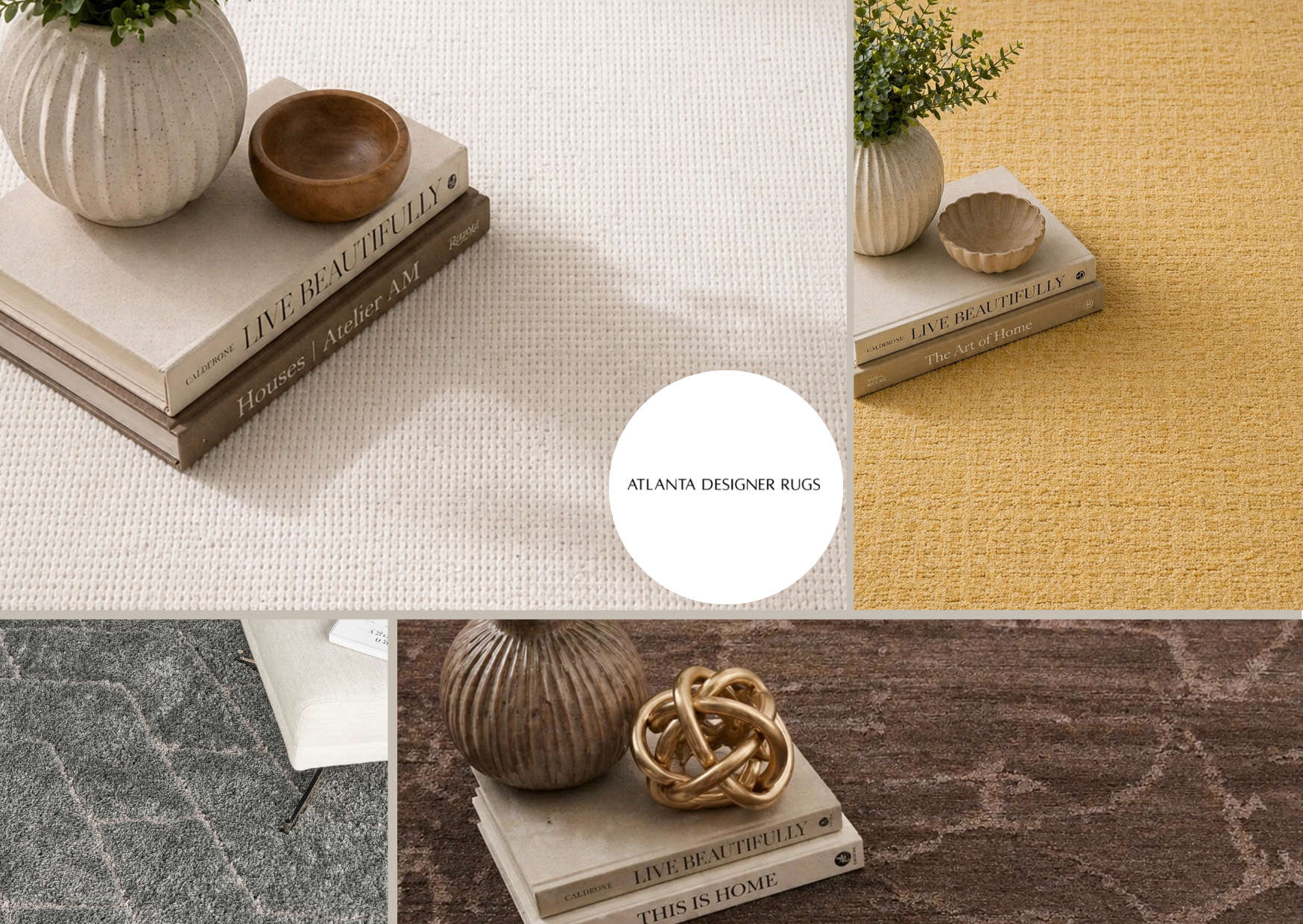
Color is not just about matching—it’s about shaping how the room feels. Warmer neutrals and earthy tones can make a living room feel grounded, while cooler palettes often create a calmer, more modern atmosphere. If your furniture already has strong styling, look for patterns that support the existing look rather than competing with it. Subtle contrast and thoughtfully placed accents can bring balance to busy upholstery and patterned curtains.
Pattern selection matters for both aesthetics and practicality. Large motifs can make a room feel more expansive, while smaller, all-over designs often work well for hiding minor wear and blending movement. Consider choosing a design that ties into existing elements like throw pillows, artwork, or wood tones, so the rug feels intentional rather than accidental. If you’re unsure, start by selecting the rug’s base color first, then confirm that the pattern’s secondary hues complement your decor.
Conclusion
The best approach to picking the right rug is to combine expert guidance with personal taste and real room requirements. Focus on layout, choose materials that suit your household’s pace, and select patterns and colors that enhance the mood you want to live in. Shopping becomes simpler when you treat the rug like a design centerpiece instead of a last-minute accessory. Look for cohesion with your existing palette, confirm the size for your seating or dining arrangement, and prioritize the feel you want underfoot. Atlanta Designer Rugs brings together timeless style, thoughtful patterns, and dependable service to make the selection process smooth from start to finish. When you’re ready to refine your choices, you can rely on Atlanta Designer Rugs to guide you toward the right fit for your home and lifestyle.