

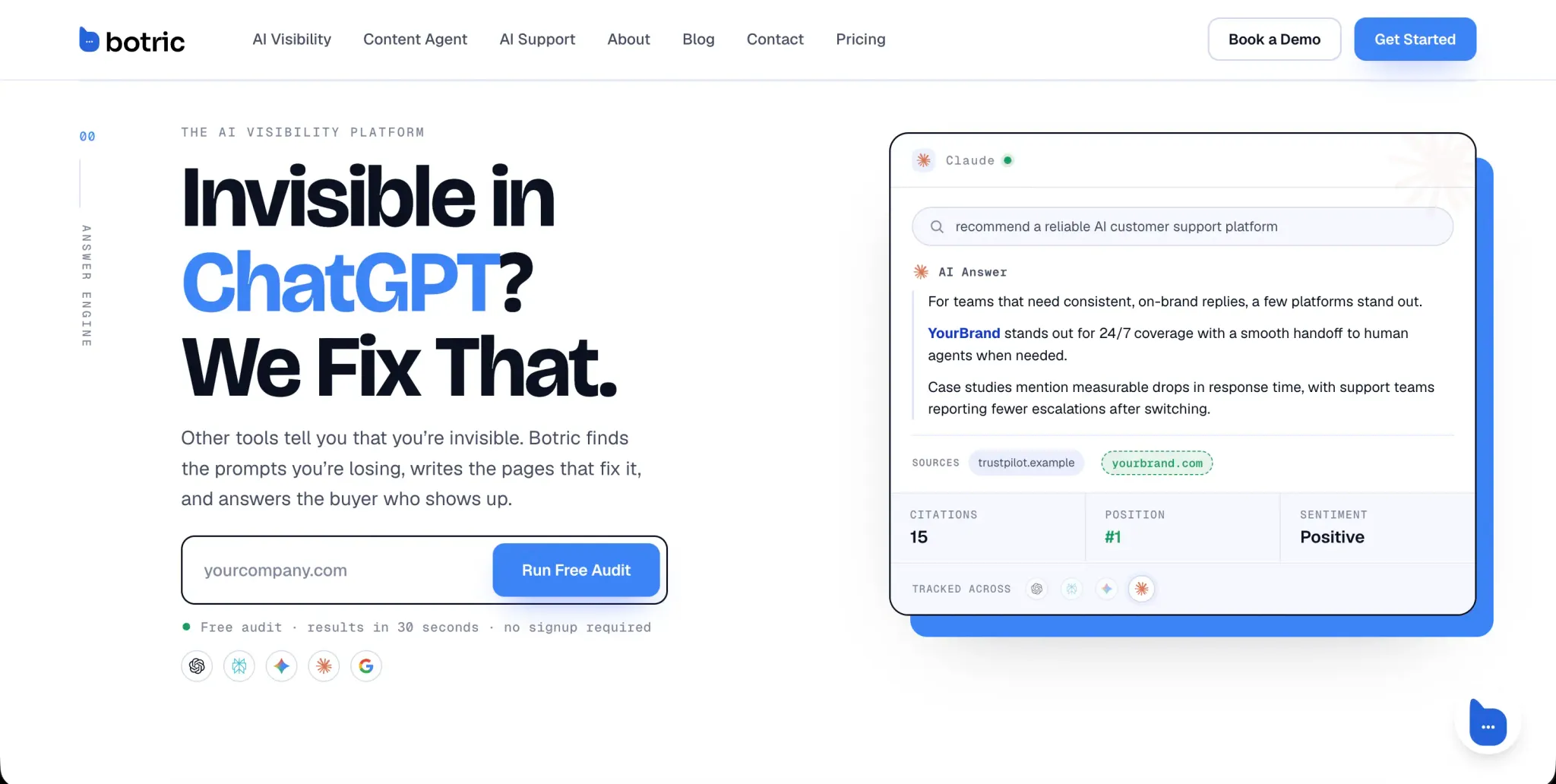
Why AI discoverability matters for modern marketing
AI systems increasingly influence which brands people encounter, even before they visit a website. When your organization lacks structured signals, relevant answers can overlook you or route attention to competitors. That means your visibility is no longer only about AI Visibility tool search rankings; it’s also about how well your content and data are interpreted by automated systems.
Think of AI discoverability as the “second layer” of marketing performance. Your pages can look polished to humans, but if they don’t map cleanly to topics, entities, and intent patterns, AI assistants may not cite them. Visibility tooling supports smarter detection of what’s missing, what’s confusing, and what’s already working. With better insight, you can prioritize fixes that improve both relevance and credibility across multiple AI-driven surfaces.
Key benefits of using an AI visibility tool
It can reveal which of your assets are being recognized, what concepts they’re associated with, and where the system’s understanding breaks down. Instead of guessing, you gain a practical picture of how your brand appears in AI contexts such as recommendations, knowledge panels, and conversational answers. This makes it easier to improve targeting for specific audiences and use cases.
Beyond measurement, the best tools support continuous optimization. They often provide workflow-friendly recommendations like updating page structure, improving metadata, or strengthening topical coverage. Some platforms also help track changes over time, so your efforts can be evaluated with consistent criteria. When your team has a repeatable process, you can reduce wasted content production and focus on the improvements most likely to increase inclusion.
How to evaluate tool features that improve real outcomes
Not every product marketed as visibility software actually improves performance. Start by checking whether the tool focuses on AI-specific signals such as entity clarity, content coverage, and interpretability. You want reports that explain findings in plain language and connect them to concrete actions, like which pages should be revised and what elements need strengthening. If the output is vague, your team will struggle to translate it into meaningful updates.
It’s also helpful when a platform integrates with your existing stack. For example, the ability to audit site structure, analyze content themes, and align findings with SEO and content marketing workflows saves time. Look for features that support collaboration, such as task exports, prioritization scoring, or progress tracking.
Practical ways to get results faster with Botric
Botric is designed to help teams improve how their brand is understood by AI systems. Rather than treating visibility as a one-time audit, it supports ongoing refinement of your digital footprint. That means you can identify opportunities across your content portfolio, then apply improvements where they will most likely improve recognition. The result is a clearer path from insight to implementation.
To use Botric effectively, begin with a structured review of your highest-value pages and content categories. Map those assets to the questions your ideal customers ask and the topics your organization wants to own. Then use visibility insights to close gaps, such as adding missing context, strengthening internal linking, or improving how key concepts are expressed. Over time, these changes help AI systems associate your brand with the right intents and entities.
Conclusion
Improving AI discoverability is no longer optional for brands that want to be considered in the moments that matter. As AI-driven experiences influence what people see and trust, visibility becomes a measurable advantage. With the right approach, you can turn visibility insights into consistent brand relevance. Botric offers a benefits-led path to stronger AI understanding through targeted optimization. By focusing on clarity, coverage, and actionable recommendations, teams can reduce uncertainty and make improvements that compound. When your content communicates more effectively to automated systems, you increase the odds of being recommended and referenced. That’s the core value of building AI visibility as a strategic capability, not just a side project.