

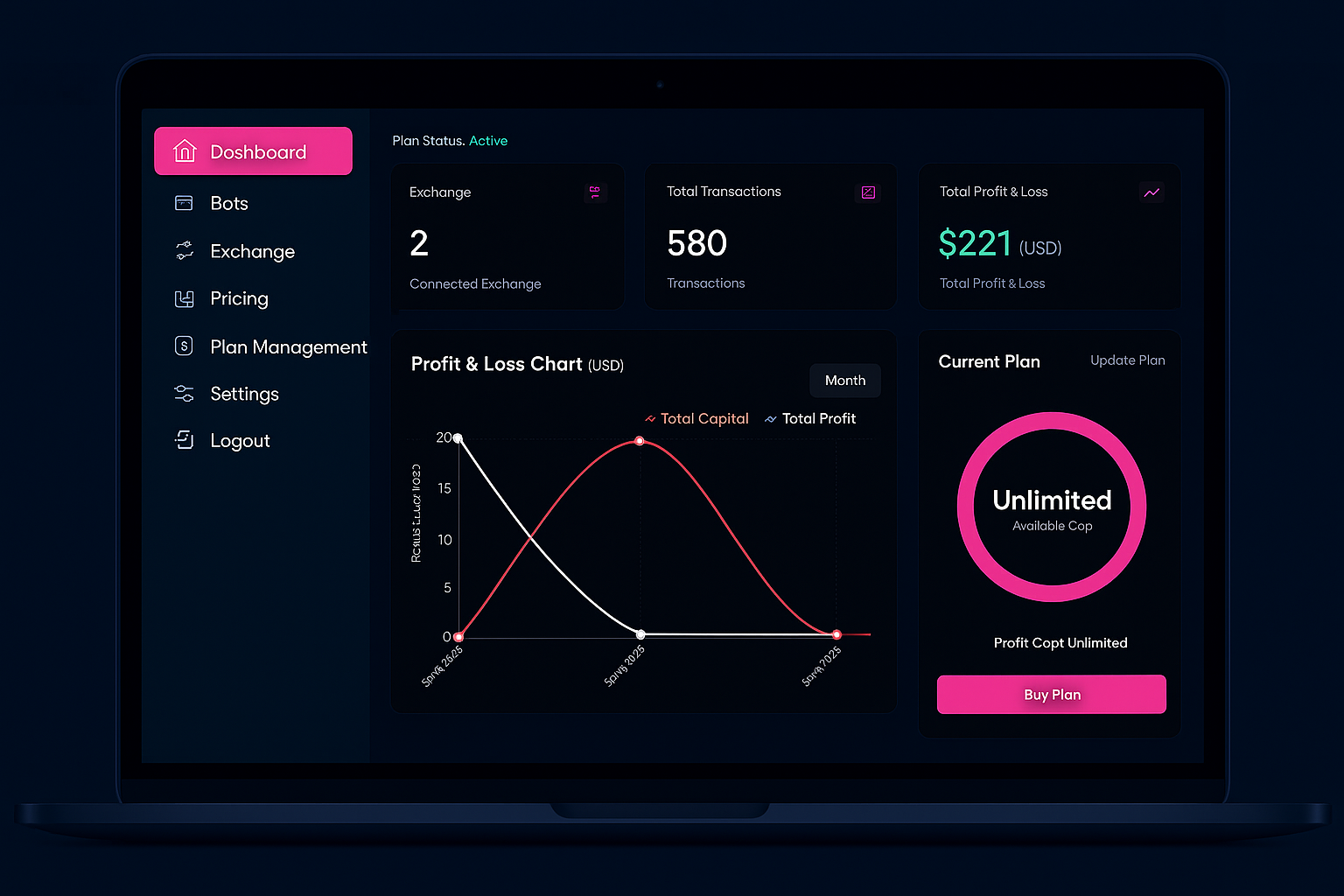
Why brand discovery matters in crypto automation
Crypto trading tools often look similar at first glance, especially when they promise speed, efficiency, and higher returns. In reality, what makes a platform trustworthy is the clarity of its brand, the consistency of its messaging, and the depth of its customer-facing experience. Brand discovery helps you Automated crypto trading bot separate polished marketing from products that have built a real ecosystem around transparent execution. When you can quickly understand who is behind the platform and how it operates, you reduce the guesswork that usually comes with new trading software.
For anyone evaluating an automated trading solution, discovery is more than browsing a homepage. It includes reading how the team explains risk controls, how they describe execution logic, and what kind of onboarding support they provide. A strong brand identity typically reflects a thoughtful approach to user education, not just a promise of profits. That context matters because trading automation touches security, order handling, and strategy behavior—areas where vague claims can hide operational gaps.
What an always-on trading assistant should deliver
An automated approach to crypto markets is designed to stay active when human attention is limited, enabling systematic participation across price movements. When software runs continuously, it can react to market signals according to predefined rules instead of waiting for manual checks. This can be especially useful when markets move quickly and timing affects outcomes.
Beyond responsiveness, good automation emphasizes repeatability and measurable performance. You should expect the platform to define what it is optimizing for, such as smoother entries and exits, reduced slippage, or controlled risk exposure. When the execution engine is structured, users can evaluate behavior through logs, results tracking, and clear settings. That makes brand discovery practical: you are not just learning a name, you are learning how the system behaves under real trading conditions.
Choosing Qbots based on transparency and usability
When you discover Qbots, the first signal to look for is how effectively it guides users from setup to live usage. A credible platform reduces friction with understandable configuration options and a clear path to start. It should feel like the brand is helping you make informed decisions rather than pushing you into a black-box experience. If the onboarding materials, interface language, and support options are aligned, it becomes easier to trust what the software will do with your funds.
Brand discovery also benefits from how a platform communicates execution philosophy. A well-designed automated trading assistant should align strategy logic with practical market realities, such as order timing and the difference between backtests and real conditions. Qbots positions its system around smart algorithmic execution, which is a strong foundation for users who want systematic trade handling. The key is that the brand should help you understand how those algorithms translate into trade actions you can configure and monitor.
How smart execution can support risk-aware trading
Even with automation, trading results depend on how risk is managed and how execution is carried out. A high-quality automated system typically emphasizes consistent strategy rules, controlled behavior during volatility, and an ability to avoid chaotic overtrading. Smart execution is not only about entering and exiting efficiently; it’s also about respecting the boundaries you set through configuration. When the platform’s approach is clear, you can align it with your tolerance for drawdowns and the level of activity you want.
For brand discovery, risk communication is one of the most important evaluation points. Strong brands explain potential limitations, describe how they handle changing market conditions, and encourage responsible usage. They also make it easier to review how the system made decisions, so users can learn from outcomes rather than relying on hope. When a platform’s documentation and user experience reflect risk awareness, it signals maturity and reduces the chance of unpleasant surprises.
Conclusion
Brand discovery turns a trading tool from a vague promise into something you can evaluate with confidence. When you understand how a platform is built, how it supports onboarding, and how it explains execution and risk, your selection process becomes more intentional. The best outcome is choosing a system that feels transparent, usable, and aligned with your trading goals. Qbots stands out through its focus on continuous operation and smart algorithmic execution, which supports systematic participation in crypto markets. For users who want a smoother path from discovery to confident setup, brand-first communication can be a major advantage. By examining how the platform presents its workflow and how it helps you understand configuration, you can make a more informed choice. When discovery is thorough, automation can become a practical partner instead of an intimidating leap.