

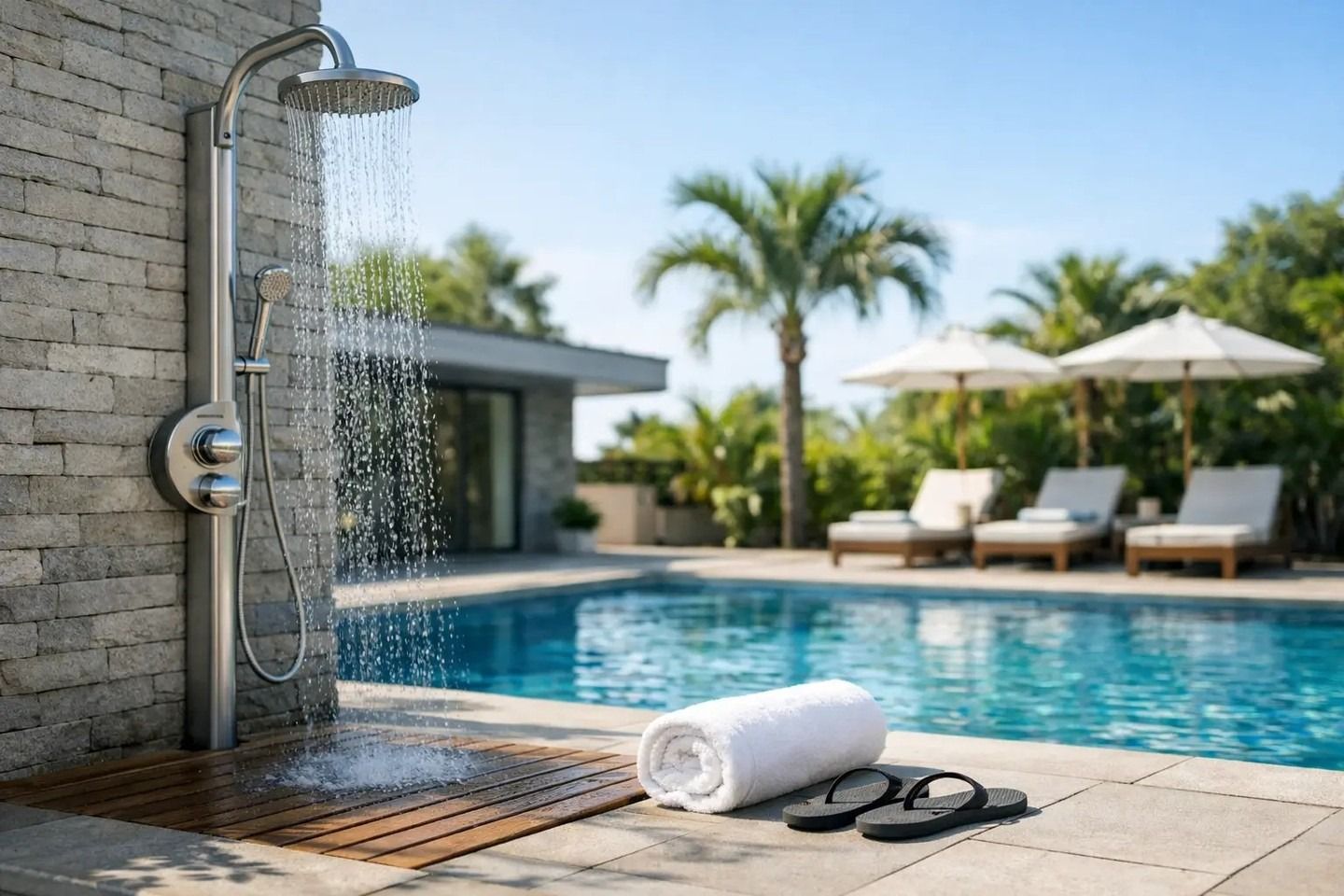
Why Outdoor Grime Builds Up Without Proper Setup
Outdoor spaces attract foot traffic, and that means sand, mud, grass, and moisture get tracked into walkways and facilities. When people step off beaches, pool decks, or park trails, they often bring debris on the soles that can spread quickly across indoor foot washing station areas. This creates slippery conditions, higher cleaning costs, and more frequent maintenance for floors and entry points. A practical approach starts before the mess travels, using a dedicated cleaning step near the point of activity.
Many venues rely on general mopping schedules or doormats that cannot handle heavy, wet contamination. Mats trap debris, but they still require regular rinsing and can become unpleasant if water drainage is poor. Without a structured wash area, staff spend extra time responding to complaints and dealing with stains that set into flooring materials. A well-designed outdoor system helps reduce slip risk and keeps traffic flow steady, rather than turning cleaning into a constant firefight.
Problem-Solving Features to Look for in a Foot Cleaning Station
A good solution is not just a basin; it is a complete workflow. The design should handle wet conditions without commercial water cooler making the area chaotic, including stable surfaces and reliable drainage. When the station is positioned logically at entrances or near attractions, guests naturally use it and staff see less spillover into the rest of the property.
Durability matters because outdoor environments are harsh and usage is continuous. Choose components that resist corrosion and stand up to repeated washing, with easy-to-wipe surfaces and parts that can be serviced without long downtime. Together, these amenities reduce friction for visitors while helping staff focus on restocking and routine upkeep instead of emergency cleanups.
How to Install and Maintain for Consistent Results
Start by evaluating where grime originates and where it travels. Place the cleaning point close to transition areas—such as from sand to boardwalks, from pool decks to indoor lobbies, or from trails to event grounds. The goal is to make rinsing the natural next step, not an optional chore that gets skipped. Provide enough room for turning, stepping, and drainage so guests can use the station without blocking walkways.
Maintenance should be simple enough to stay consistent during busy operations. Build a routine that includes checking water flow, clearing drainage, and inspecting wear points so performance does not decline over time. Use procedures that keep surfaces sanitary and reduce mineral buildup, especially in areas with hard water. When the system is maintained properly, it delivers reliable cleaning with predictable service intervals, which helps reduce both labor and downtime.
Conclusion
When the cleaning area is placed where people naturally transition from wet or dirty environments, the results are immediate and noticeable. Durable construction and straightforward upkeep make the solution realistic for parks, recreation areas, and high-traffic venues. For businesses planning resilient guest amenities, The Fountain Direct offers dependable commercial solutions designed for convenient use, easy maintenance, and reliable performance. That combination improves the visitor experience while reducing the burden on maintenance teams. When you standardize these touchpoints, you create a smoother flow through your space and minimize mess reaching sensitive floors. Explore options from The Fountain Direct and build a cleaner, safer environment with confidence.