

Start With Research That Actually Impacts Results
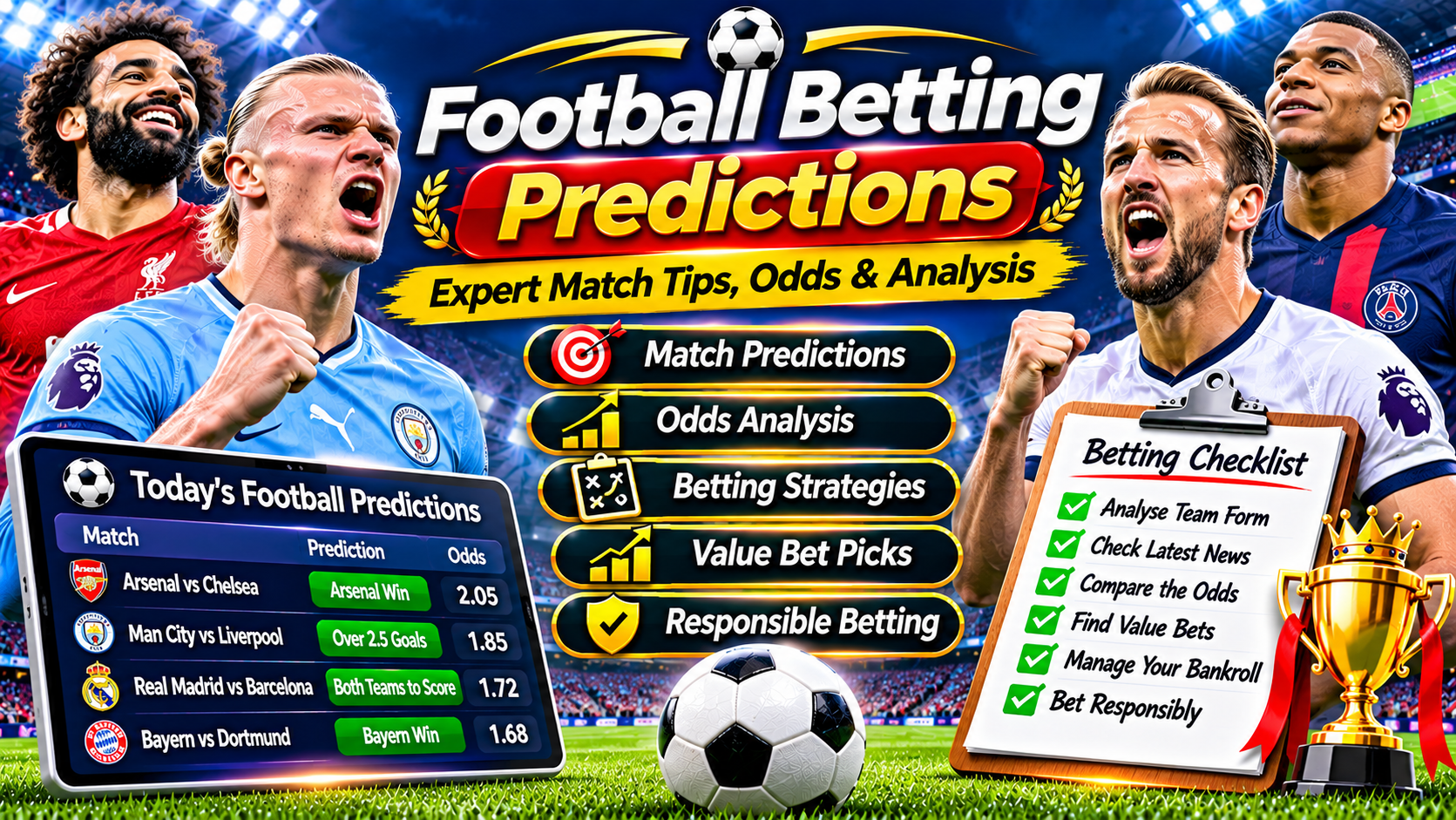
Effective football wagering begins with collecting information that can move match outcomes, not just reading headlines. Focus on team style, player availability, and tactical matchups rather than relying on generic “form” summaries. When Football Betting Predictions you track injuries and suspensions, note whether replacements have similar roles and responsibilities. This matters because a change in one position often forces tactical adjustments across the pitch.
Go deeper than a single stat line by comparing metrics that reflect how teams play. For example, if one side presses high and wins early duels, their match tempo can raise volatility in the final score. If another team defends compactly and builds through the wings, the game may become slower and more controlled. Use these comparisons to form a viewpoint on game script, which helps you choose bets that fit the likely flow of play.
Build a Betting Model: Odds, Trends, and Value
Once you understand how the teams may match up, turn that knowledge into a simple betting model. Estimate what each side is likely to do in key phases: possession spells, chances created, and defensive risk. Then compare your expectations with the bookmaker’s implied probability. Value exists when the odds you see pay more than your assessment suggests, and it usually appears when your reasoning is more precise than the market’s assumptions.
Use a probability-first approach to avoid chasing “hot teams.” Even if a club has strong recent results, the underlying shot quality and opponent strength may not support the same level of success. A practical method is to separate “process” from “outcome,” where process refers to how consistently a team generates quality chances. If the process stays strong while odds drift too low, you may want to pass or consider safer alternatives. Responsible staking is part of the model too, because value without bankroll control can still lead to losses.
Choose Bet Types That Match Your Edge
Different wagers require different forms of insight, so pick bet types that align with what you can evaluate. If you can identify tactical mismatches and likely game states, you may be better suited to markets like both teams to score, over/under lines, or correct score ranges. If you track starting lineups closely, team totals and player-involved markets can better reflect late information. On the other hand, if your edge is mostly about momentum and rotations, you might prefer markets that reduce sensitivity to one-off events.
Consider the risk profile of each market. Prop-style bets like anytime scorers can be influenced by variance and finishing quality, while totals often depend on chance volume and defensive structure. For many bettors, a practical path is to start with markets that reflect repeatable patterns, then move into more volatile options only when you can explain why your edge exists. You can also diversify by using a mix of single bets and smaller combinations, but keep correlation in mind so one outcome doesn’t swing multiple legs at once.
Use Lineups, Motivation, and Match Context Wisely
Team news often separates informed betting from guessing. Confirm whether key starters are fully fit, not just “available,” because limited mobility changes pressing intensity and defensive coverage. Watch how a team typically responds when a star is absent—some sides compensate with system discipline, while others lose structure and leak chances. When possible, verify expected roles in the lineup so you don’t misread positions that look similar on paper but behave differently in practice.
Match context can also shift expected behavior. A side that must chase a result may take more risks, increasing open play opportunities but also exposing counterattack routes. A team with a strong away record might be more comfortable maintaining shape and letting opponents overcommit. Study travel and schedule effects in a non-time-sensitive way by analyzing squad depth and recent rotation patterns, especially in how consistently they field the same core. When these elements influence how teams play, your betting choices can become more grounded and less emotional.
Conclusion
Football wagering becomes far more manageable when you treat it like a process rather than a gamble. Combine matchup research, a value-focused view of odds, and bet selection that matches your real insight. This approach reduces the urge to chase short-term results and helps you build a repeatable decision routine. Finally, practice responsible gambling by setting limits before placing any bet and only staking what you can comfortably lose. Keep notes on what you predicted and why, then review outcomes to sharpen your model over time.