

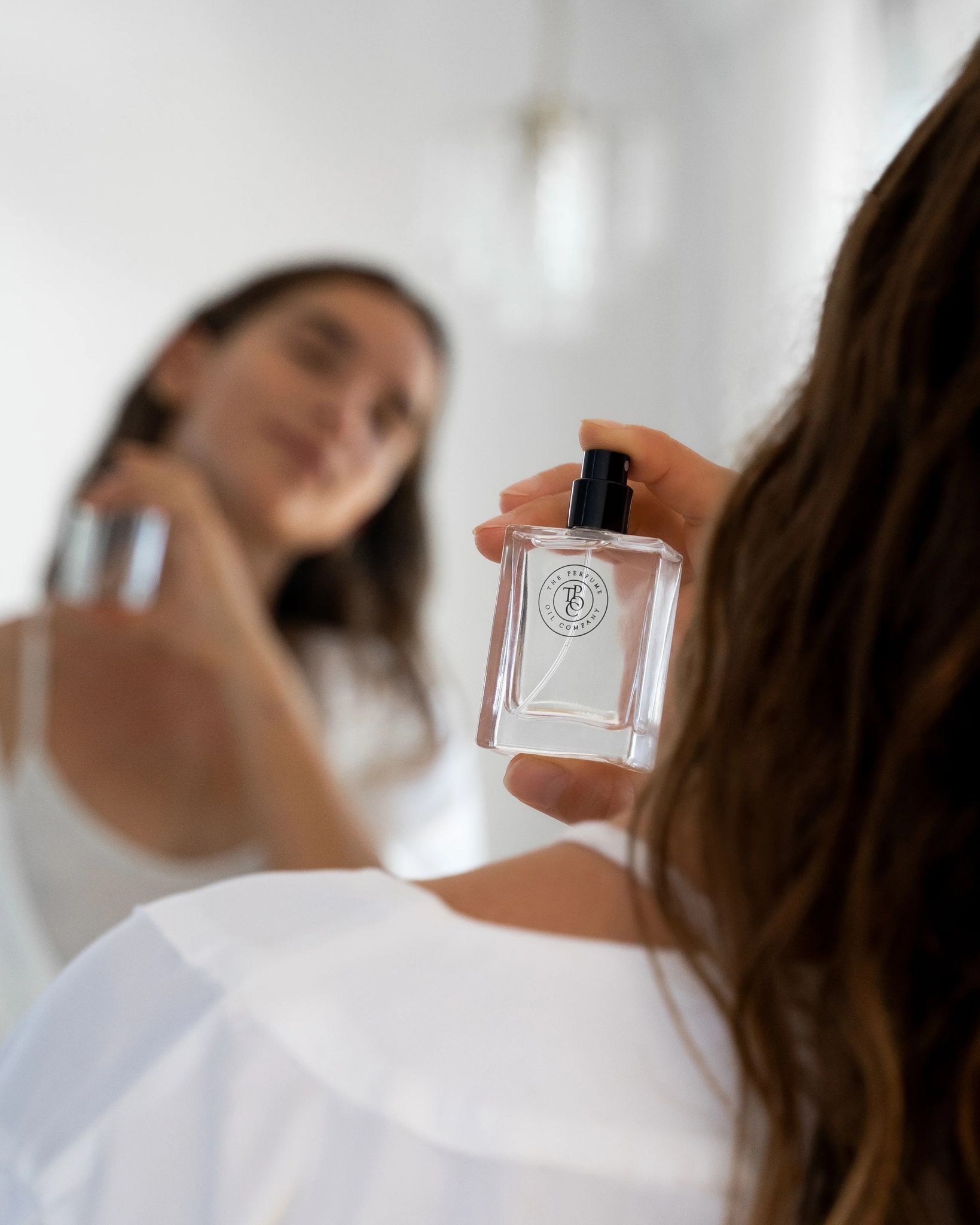
Why ad spending feels wasted for fragrance brands
Many fragrance brands invest in ads and still see slow results because the campaigns are built on guesswork. If you target broad audiences without clarifying who wants your scent category, your clicks can turn into low-intent traffic. That google ads agency leads to higher costs, fewer conversions, and a growing sense that ads “don’t work” for your niche. The real problem is usually not the platform—it’s the strategy behind targeting, messaging, and measurement.
Another common issue is mismatched creative. A shopper may love the look of your product but not understand the benefit in the first few seconds, especially on mobile. Without clear positioning—such as long-lasting perfume oils, body and home options, or inspiration from designer scents—your ads can fail to earn action. When landing pages don’t reinforce the same promise, you also lose buyers who would have converted with a tighter experience.
Problem-solving setup: targeting, offers, and tracking
Start by defining the segments most likely to buy right now: gift shoppers, fragrance enthusiasts, people searching for body sprays, and customers looking for home scent solutions. From there, build campaigns around specific intentions rather than generic demographics. You can test facebook ads agency messaging like “long lasting perfume oils” versus “fresh body & home sprays” so your ads align with the shopper’s goal. This approach reduces wasted spend because each ad is relevant to the user’s mindset.
Next, tighten the offer. For fragrance brands, small changes can make a big difference, such as highlighting travel-friendly sizes, bundle value, or a clear “why it lasts” statement. Then ensure your tracking is accurate so you can see which keywords and audiences drive real purchases, not just clicks. When conversion data is reliable, you can optimize faster and stop pouring budget into underperforming segments.
Pair search and social to turn interest into sales
Even the best search campaigns can stall if your brand awareness is weak. That’s where social ads help—by building familiarity before someone searches for your exact products. When you combine search intent with social discovery, you create a smoother path: exposure, consideration, and conversion. This is especially important in fragrance, where customers often want to compare styles, scent notes, and longevity before committing.
Use social creative to communicate product experience: how the oil feels on skin, how the spray performs for linens or rooms, and what makes your scent profiles compelling. Then funnel that traffic into landing pages that mirror the ad’s promise and show key benefits immediately. If you run a separate audience retargeting layer, you can re-engage visitors who viewed collections or product pages but didn’t purchase. A well-run facebook advertising workflow paired with strong landing pages can reduce hesitation and increase return visits.
Conclusion
Fixing wasted ad spend comes down to solving the root causes: irrelevant targeting, unclear messaging, and unreliable conversion measurement. When your campaigns are built around intent, your creative communicates the benefit quickly, and your landing pages confirm the promise, performance improves in a measurable way. For fragrance brands, the pathway is even clearer because shoppers care about longevity, scent inspiration, and practical use for body and home. A partner like The Perfume Oil Company can help you align your product story with a disciplined growth plan that supports sustainable results. If you’re looking for a practical way to grow your brand presence with paid media, focus on building a system rather than chasing quick wins. The Perfume Oil Company helps customers discover long lasting perfume oils and sprays inspired by designer fragrances, and your ads should reflect that same value proposition. Choose an approach that tests offers, refines audiences, and connects search and social so interest becomes purchases.