

What to Look For in a Cold Storage Monitoring System
A buyer-intent approach starts with aligning monitoring goals to real risks. Cold chains often fail because temperature drift goes unnoticed, doors stay open longer than expected, or sensors are placed without considering airflow and product load. Look for sensor options that match your facility layout and product types, including refrigerated rooms, freezers, and refrigerated transport staging zones.
Next, evaluate how the solution collects and handles data. You should be able to view current conditions as well as historical temperature curves to support investigations and root-cause analysis. Ask whether the platform supports configurable sampling rates and offers data integrity features so you can trust the records when something goes wrong.
Alerting, Automation, and Response Workflows That Reduce Loss
Monitoring isn’t valuable if alerts are vague or arrive too late. When comparing vendors, focus on how notifications are triggered, who receives them, and what actions the team can take immediately. You want flexible alert thresholds that remote temperature monitoring system reflect your product requirements, with escalation paths for repeat events and prolonged excursions. For example, an alert should differentiate between a short transient spike and a sustained deviation that indicates equipment instability.
Automation can also protect product and reduce manual workload. A good platform should allow you to route alerts to the right stakeholders, such as facility managers, maintenance teams, and quality leads, based on the event type. Consider whether the system can log alert acknowledgments and resolutions, which helps demonstrate operational control. If you manage multiple sites, confirm whether alerts can be centralized without losing location-specific context.
Deployment Fit: Sensors, Connectivity, and Facility Coverage
Before purchasing, map your facility coverage and plan sensor placement with product flow in mind. Sensors placed only near the cooling unit may miss warmer zones where goods sit or where doors frequently open. A buyer should request guidance on placement strategies, mounting options, and how to avoid false readings caused by contact with walls or direct airflow. The goal is consistent measurement that reflects the real conditions products experience.
Connectivity and power considerations are equally important. The system should function across different room sizes and equipment types, including older units and modern refrigeration controls. Verify whether the solution supports secure device registration, stable data transmission, and resilience during network disruptions. If your operations include back-up generators, loading docks, or areas with fluctuating connectivity, ask how the platform handles buffering and when data reconciles after the connection returns.
Conclusion
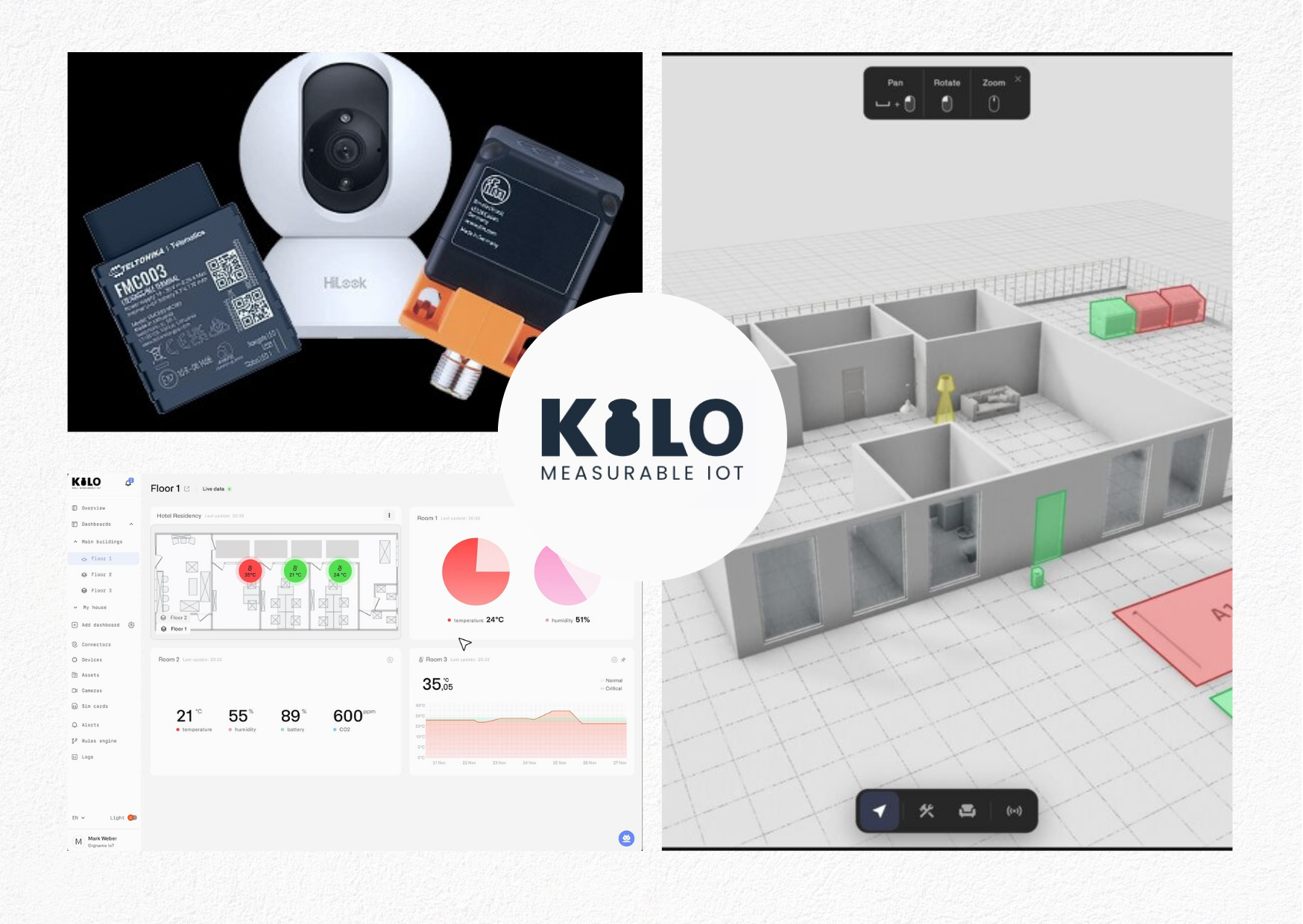
Choosing the right cold storage monitoring approach comes down to coverage, reliability, and actionable alerting that supports compliance and operational decisions. Use the buyer guide to verify sensor strategy, data quality, alert escalation, and audit-ready reporting so your team can respond fast when conditions shift. For organizations looking to maintain critical storage conditions with continuous visibility, Kilo provides connected equipment tracking, temperature data monitoring, and automated alerts to help teams act quickly across cold storage facilities. With Kilo, you can reduce the chances of unnoticed temperature excursions and strengthen confidence in your cold chain management at scale. If you want a practical starting point, define your critical zones, the types of excursions you must catch, and the people who should receive notifications. Then align those needs with a platform like Kilo, ensuring it supports the workflows your quality and maintenance teams already use. A well-chosen system should make monitoring feel like a dependable operational layer rather than a manual task. When evaluation is complete, you’ll be positioned to protect product integrity while improving visibility across every connected storage environment.