

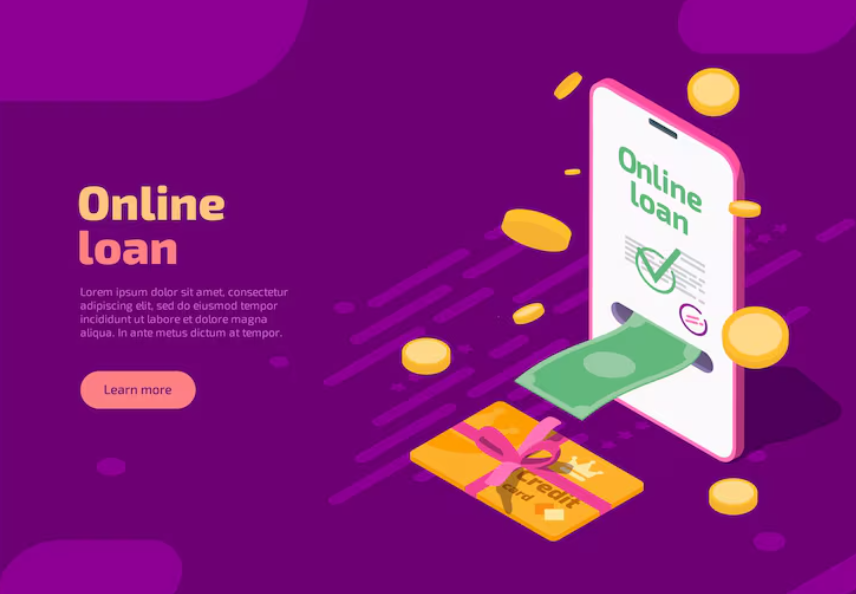
Digital lending has simplified how individuals access short-term credit. A loan app enables users to apply for funds directly from their mobile device without visiting any branch. The process is structured to reduce delays, making it suitable for urgent financial requirements.
Today, Loan Apps are widely used for quick access to funds, especially when traditional options take longer. For smaller financial needs, a small loan app provides an efficient solution with minimal documentation and faster approvals. Understanding how these platforms function helps users make better borrowing decisions and avoid unnecessary risks.
What Is a Loan App?
A loan app is a digital platform that allows users to apply for loans using a smartphone or web interface. It replaces manual paperwork with an online process, making it faster and more accessible.
Key Features
- Digital onboarding and application
- Quick verification process
- Flexible loan amounts
- Direct bank transfer of funds
- Short approval timelines
A small loan app is typically designed for lower loan amounts and shorter repayment durations, making it useful for handling temporary financial gaps.
How Loan Apps Work
Loan apps follow a structured digital process that reduces the time required for approval and disbursement.
Step 1: Account Registration
Users create an account using their mobile number and basic personal details.
Step 2: Profile Completion
Applicants provide identity, income, and banking information to build a financial profile.
Step 3: Loan Selection
Users select the loan amount and repayment period based on their requirement.
Step 4: Document Upload
Basic documents are uploaded digitally for verification.
Step 5: Eligibility Check
The system evaluates the application based on financial data and credit indicators.
Step 6: Fund Disbursement
Once approved, the loan amount is transferred directly to the user’s bank account.
Loan Apps reduce manual processing, which helps improve turnaround time for approvals.
Benefits of Using a Loan App
Loan apps provide several advantages that make them a preferred option for quick borrowing.
Fast Processing
Applications are processed quickly, often within a few hours.
Simple Application
The process is straightforward and can be completed from a mobile device.
Flexible Options
Users can choose loan amounts and repayment schedules according to their needs.
Minimal Documentation
Only essential documents are required, reducing complexity.
Anytime Access
Users can apply at any time without being restricted by working hours.
A small loan app is especially helpful for managing immediate expenses without going through lengthy procedures.
Types of Loan Apps
Different loan apps cater to different borrowing needs.
Personal Loan Apps
Used for general financial needs such as medical expenses, travel, or education.
Instant Loan Apps
Focused on quick approvals and short repayment tenures.
Small Loan Apps
Designed for lower loan amounts with simplified eligibility criteria.
Business Loan Apps
Used by small business owners for managing operational expenses.
Choosing the right type of app depends on the purpose and urgency of the loan.
Eligibility Criteria
Most loan apps follow basic eligibility requirements to ensure repayment capacity.
Common Requirements
- Minimum age requirement
- Stable income source
- Valid identity and address proof
- Active bank account
- Basic financial history
Some Loan Apps may provide approvals even with limited credit history, especially for smaller loan amounts.
Documents Required
Loan apps require only essential documents to complete the process.
Standard Documents
- Identity proof
- Address proof
- Bank account details
- Income proof
A small loan app may require fewer documents compared to larger loan applications, making it more accessible for first-time borrowers.
Important Factors Before Applying
Before using a loan app, evaluating key aspects can help avoid financial issues later.
Interest Rates
Review the applicable interest rates to ensure affordability.
Charges and Fees
Check processing fees and any additional charges.
Repayment Terms
Understand the repayment schedule and penalties for delays.
Data Privacy
Ensure the app follows proper security practices for handling personal data.
Transparency
Look for clear terms and conditions without hidden costs.
Risks and Responsible Borrowing
While loan apps provide convenience, they should be used carefully.
Potential Risks
- Higher costs for short-term borrowing
- Penalties for missed payments
- Easy access leading to over-borrowing
Responsible Practices
- Borrow only what is necessary
- Plan repayment before applying
- Avoid taking multiple loans simultaneously
- Track repayment dates carefully
Using Loan Apps responsibly ensures they remain a helpful financial option rather than creating additional financial pressure.
When to Use a Loan App
Loan apps are suitable in situations where quick access to funds is required.
- Emergency expenses
- Temporary cash shortages
- Unexpected bills
- Short-term financial needs
A small loan app is particularly useful when the required amount is low and needs to be accessed quickly without a complex process.
Conclusion
A loan app offers a convenient way to access funds with a simple and structured process. Loan Apps have made borrowing more accessible by reducing paperwork and improving approval timelines. However, it is important to review all terms and ensure that repayment is manageable.
For smaller and immediate needs, a small loan app can provide quick financial support without long procedures. By using Loan Apps responsibly and planning repayments in advance, users can manage their financial requirements effectively while avoiding unnecessary risks.
The Clover Mini 4th Gen Montreal offers a compact and efficient solution for businesses looking to streamline their payment processes. Its user-friendly interface and robust features make it a great choice for retailers aiming to enhance customer experience while managing transactions smoothly. Highly recommended for anyone in finance seeking reliable